The Dawn of Aviation
Discover the pivotal moments that led to the first powered flight, a groundbreaking achievement that marked a significant turning point in the history of aviation. The Wright Brothers, Orville and Wilbur, dedicated years of meticulous experimentation and innovation to achieve this extraordinary milestone with their glider. Their relentless pursuit of flight not only demonstrated the feasibility of powered aviation but also laid the foundation for the modern aerospace industry, inspired by the innovations of Wilbur and Orville Wright. The enduring legacy of the Wright Brothers continues to inspire generations of engineers and aviators, showcasing the transformative power of human ingenuity and ambition that changed the world forever.
Milestones of Flight
Follow the chronological journey of the Wright Brothers, Orville and Wilbur Wright, two visionary inventors who, through their relentless determination and innovative spirit, changed the course of human history. Their pursuit of powered flight began in the late 19th century, driven by a fascination with the possibility of soaring through the skies. After years of experimentation and countless failures, they achieved a monumental breakthrough on December 17, 1903, when they successfully completed the first flight at Kitty Hawk, North Carolina. This moment not only marked the dawn of aviation but also paved the way for modern transportation, shaping the future of how we connect across the globe.
The Spark of an Idea
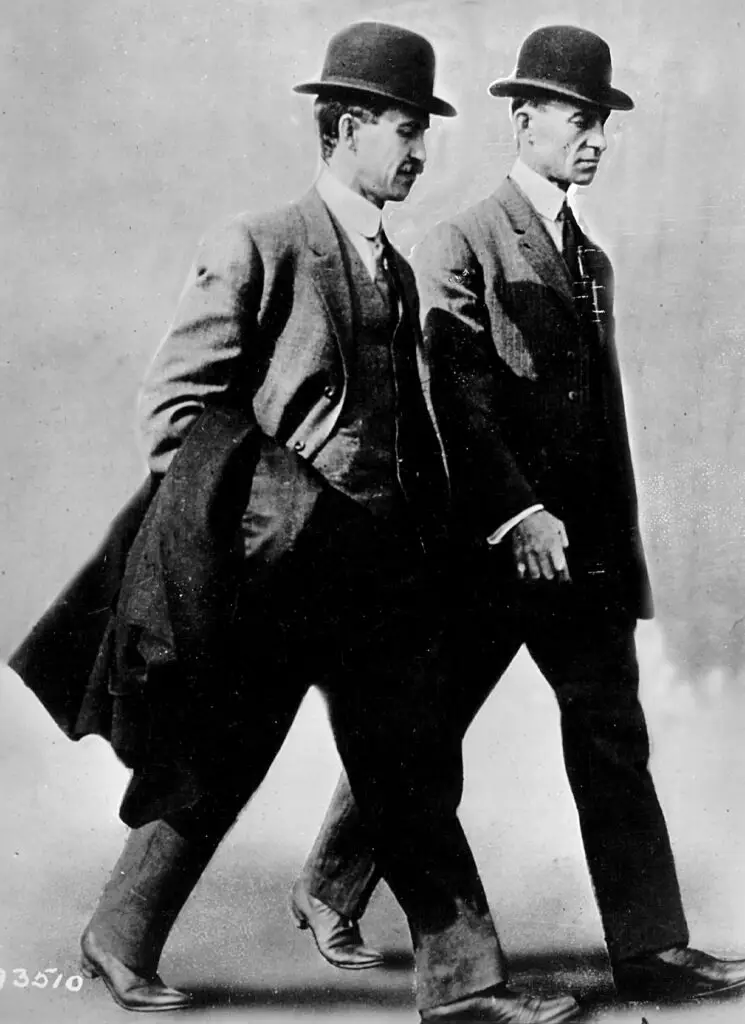
This pivotal letter marked the beginning of the Wright brothers’ systematic approach to solving the problem of flight. They requested papers and books on the subject of human flight, demonstrating their commitment to understanding the scientific principles behind aviation.
Dayton, Ohio
Beginning of Scientific Approach
Glider Experiments
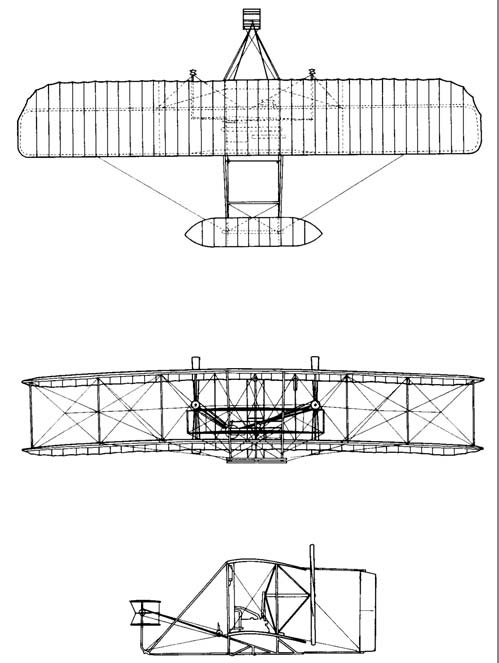
Over three years, the Wright brothers made over 1,000 glider flights, systematically testing their theories about lift, control, and stability. These experiments were crucial in developing their three-axis control system.
First Powered Flight
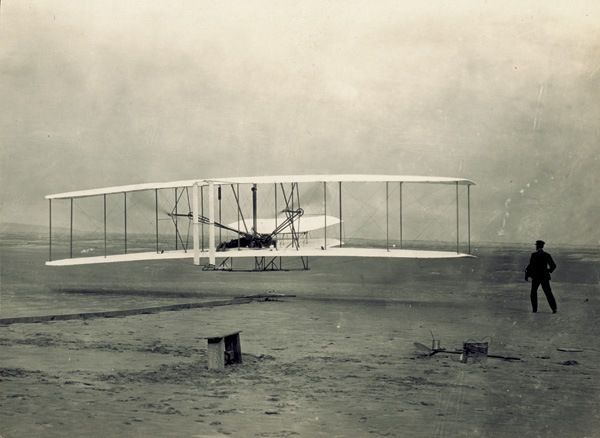
At 10:35 AM, Orville Wright made history with a 12-second flight covering 120 feet. By the end of the day, they had made four flights, with Wilbur achieving a 59-second flight covering 852 feet. This moment changed the world forever.
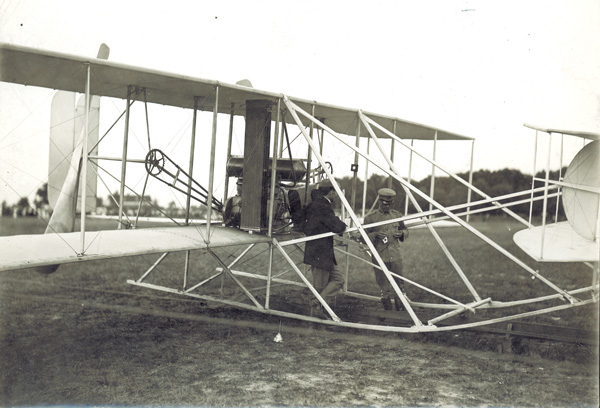
Refining the Flyer
Moving their operations closer to home, the Wright brothers perfected their flying machine. By 1905, they could stay airborne for over 30 minutes and perform complex maneuvers, proving the practical viability of powered flight.
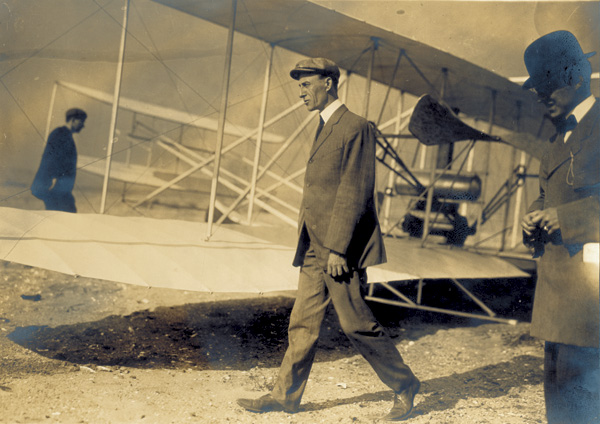
Public Recognition
After years of secrecy, the Wright brothers finally revealed their achievement to the world. Wilbur’s demonstrations in Europe drew massive crowds and convinced skeptics, while Orville’s Army trials in the U.S. secured their first military contract.
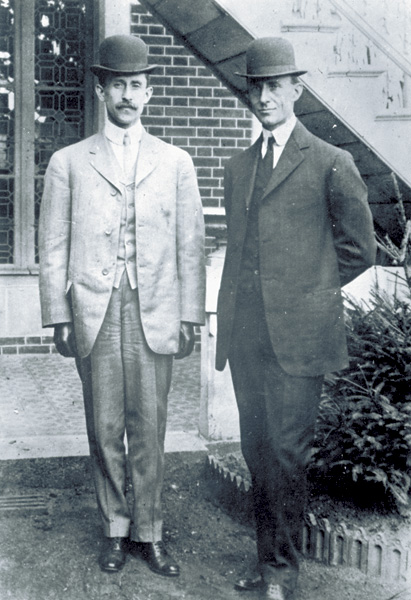
Wright Company Forms
The Wright Company became the first airplane manufacturing company in the world, producing aircraft for both civilian and military use. This marked the beginning of the aviation industry as we know it today.
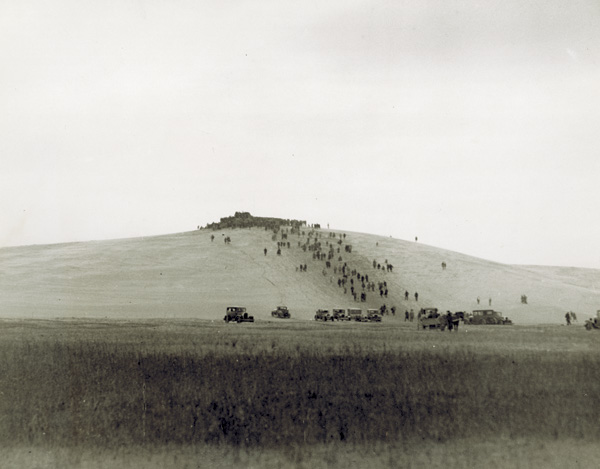
First Flight Society Founded
On the 24th anniversary of the first flight, the First Flight Society was founded to ensure that the legacy of the Wright brothers would be preserved for future generations. The society has since become the premier organization dedicated to aviation history.
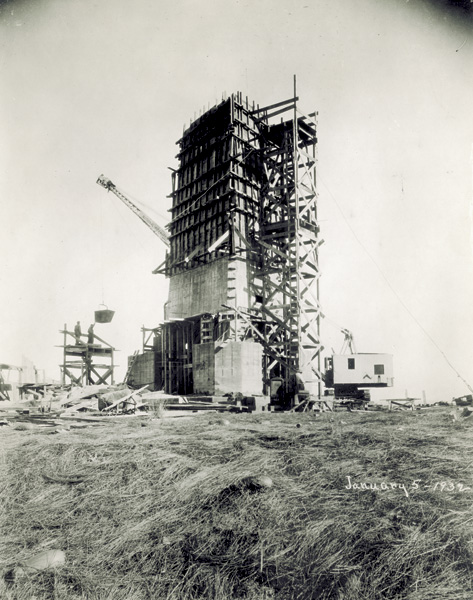
The Enduring Legacy
The Wright brothers’ innovation didn’t just achieve flight; it unlocked the skies and reshaped our world. Their perseverance, meticulous research, and engineering prowess laid the foundation for modern aviation.
The First Flight Society proudly carries this legacy forward, ensuring that their story continues to inspire courage, curiosity, and the pursuit of groundbreaking achievements for generations to come.